Category: Personal Injury

Personal Injury Lawyer local to Contra Costa County

  • Uninsured vs. Underinsured Motorist Car Accident Coverage – Protect Yourself from Low Policy Limits!

    Uninsured vs. Underinsured Motorist Car Accident Coverage – Protect Yourself from Low Policy Limits!

    Underinsured vs. Uninsured Motorist

    You are protected when the other driver has either no insurance or a low amount. 99% of the policies provide self coverage in those instances where the other person is at fault but their insurance does not exist or doesn’t cover your actual losses. This is called UNINSURED or UNDERINSURED motorist coverage. In California (and most states) you can make a claim on your own policy and it WILL NOT RAISE YOUR RATES. Is this rule in effect because insurance companies are caring and feeling entities. No! There is a law. There was a proposition that voters passed (Prop 103) and that was put into a law, Insurance Code Section 1861.02.

    Many people don’t believe that this law can be enforced but it can be and is enforced. Don’t be afraid to make an underinsured or uinsured claim. To help relax you and steer you to taking care of yourself, this blog outlines how UM or UIM coverage works. Remember this important fact – it only pays up to your limits. If you have limits of $ 30,000 and the other person has limits of $30,000 you don’t add them together. It is the highest number that counts. Since you both have $ 30,000 that’s all there is.

    If you’ve had an accident and need a lawyer, the Law Office of Daniel Horowitz is a local firm with our office in Lafayette, California (Contra Costa County). We do not charge you on accident cases until we actually recover money for you. So the initial accident consultation is free and all meetings and work is not charged until we recover for you. We emphasize our local presence to be clear that we are not a Los Angeles or out of county firm with a 1-800 number or a small satellite office. Our staff all live in the San Francisco Bay area and we work together in our office in Lafayette (California). (We need to put Lafayette, California to avoid getting calls from Lafayette, Louisiana :]) If you are ready to speak to someone about your case call us at 925-283-1863.

    Or you can read on about the types of underinsured or uninsured motorist coverage.

    What is Uninsured Motorist Coverage (UM)?

    Uninsured motorist coverage steps in when you’re hit by a driver with no insurance at all. It’s an optional add-on to your auto policy, designed to shield you from someone else’s failure to comply with California’s minimum liability law (15/30/5—$15,000 bodily injury per person, $30,000 per accident, $5,000 property damage). UM has two main parts:

    • Uninsured Motorist Bodily Injury (UMBI): Covers medical bills, lost wages, and pain and suffering for you and your passengers.
    • Uninsured Motorist Property Damage (UMPD): Pays for repairs to your vehicle or other property, with a minimum limit of $3,500 in California.

    For example, if an uninsured driver T-bones you on the 101, leaving you with a $20,000 hospital bill and a wrecked car, UMBI could cover your injuries up to your policy limit (say, $50,000), while UMPD handles the car repairs (minus a deductible). You file with your own insurer, who verifies the at-fault driver has no coverage.

    What is Underinsured Motorist Coverage (UIM)?

    Underinsured motorist coverage, often bundled with UM, kicks in when the at-fault driver has insurance, but their limits are too low to cover your damages. It’s a gap-filler for situations where California’s minimum liability requirements fall short of reality. UIM typically applies only to bodily injury, not property damage, unlike UM.

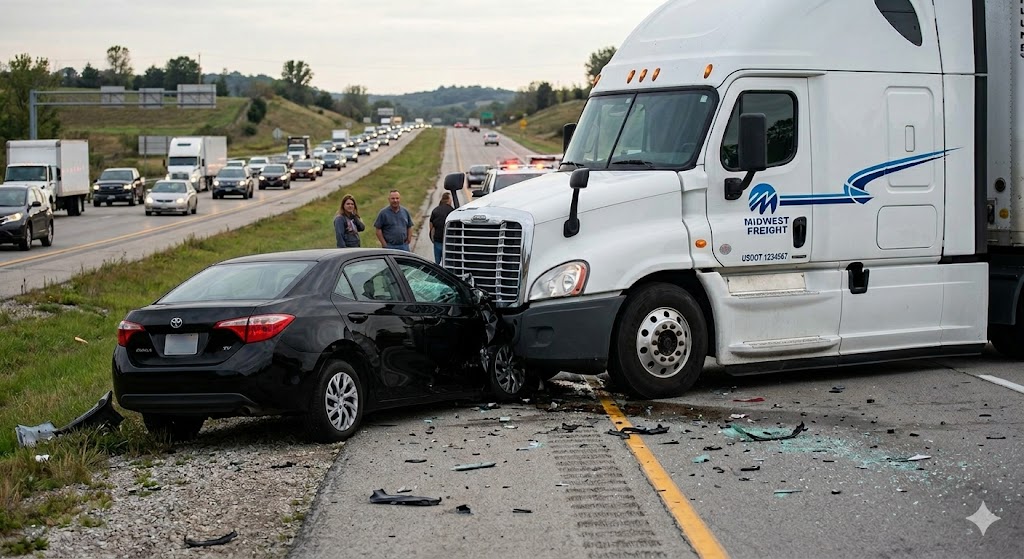
    Picture this: You’re rear-ended on I-5, racking up $25,000 in medical costs. The other driver has the state minimum (15/30/5), so their insurance pays $15,000—leaving you $10,000 short. If your UIM limit is $50,000, it covers that gap, ensuring you’re not stuck with the bill.

    Uninsured vs. Underinsured Motorist Coverage in California: What’s the Difference?

     While UM and UIM sound similar, their triggers and scope set them apart:

    • Trigger Event: UM applies when the at-fault driver has no insurance. UIM applies when they have some insurance, but not enough.
    • Coverage Scope: UM includes both bodily injury (UMBI) and property damage (UMPD). UIM in California typically covers only bodily injury, leaving property damage to your collision coverage or out-of-pocket funds.  You can pay extra to get “full UIM” coverage.
    • Claim Process: With UM, your insurer confirms the other driver is uninsured (e.g., via police report or DMV check). With UIM, they calculate the shortfall after the at-fault driver’s insurance pays out its maximum.

     You Need Both UIM & UM Coverage .

    California’s 15% uninsured driver rate—among the nation’s highest—makes UM a no-brainer. But UIM is just as critical. The state’s bare-minimum liability (15/30/5) hasn’t kept pace with rising medical and repair costs. A serious injury can easily top $50,000, leaving you exposed even if the other driver is insured. UM protects against the lawbreakers; UIM guards against the legally compliant but underprepared.

    We do not know the numbers who have the minimum but a very large number do.  $ 15,000 is the minimum coverage and for any injury involving hospitalization this is a big zero to you.

    If you’re budget-conscious, UM alone might suffice—uninsured drivers are a bigger statistical threat. But UIM adds a layer of security for those “in-between” cases, especially in high-cost areas like L.A. or San Francisco. Check your policy: many insurers bundle them, so you might already have both. If not, call your provider (think Allstate, Farmers, or AAA) and tailor your limits to your needs—$15,000 won’t cut it for a major crash.  We believe that there are so many underinsured drivers that not having an UIM policy is a grave mistake.   

     We have had several cases where a person was killed in an accident and both sides had only $ 15,000 in coverage.  In one of those cases the person had a $ 250,000 life insurance policy which helped but in the other we ran an asset search and found nothing we could collect from.  That person seemed out of options.  We were fortunate however that the owner of the car also had insurance.  We were allowed by state law to collect and additional $ 15,000 from the owner as well. 

    Hit & Run

    Hit & Run

    If you are in your car and there is a hit and run accident you can make a claim. (See: Insurance Code section 11580.2(b)).

    You are under some time pressure here not due to a statute of limitations but a requirement in the law that you report the accident to the police in 24 hours and to your insurance company in 30 days. In some areas (like Oakland, California) it is hard to get a police response so filing a report can be an issue. Fortunately this is a “squeaky” rule and the case called (California State Auto. Asso. v. Blanford (1970) 4 Cal.App.3d 186, 190 says that the insurance company doesn’t get out of paying you if are late in making the police report unless the insurance company can show that they were hurt by the delay.

    There are many other rules and deadlines for making car accident claims.  Some people prefer to settle their own claims but be careful, when you get a call from an insurance adjuster many times they are looking to limit your recovery by gathering facts that undercut your claims for compensation.  We recommend having no contact with the other side’s insurance company and only the basic contacts with your own.  Hiring a lawyer for a personal injury claim usually costs no money until you actually recover.  

    Get at Least $ 250,000 in Coverage

    We recommend getting $ 250,000 or more in both UIM and UM coverage.   What if you got in an accident and were in a wheelchair the rest of your life? Even $ 250,000 is not enough but at least you have that money to help you. A good personal injury firm will look beyond the policy of the driver of the other car. Bad roads, other cars contributing to the accident, auto design defects must all be scrutinized to see if there are other pockets to get money from. But worst case – provide a bottom line minimum amount by insuring yourself for at least $ 250,000.

    If you have been involved in a serious car, motorcycle or truck accident Daniel Horowitz and his personal injury lawyers will look for the maximum insurance coverage to ensure that you receive proper compensation.

    We can be reached at (925) 283-1863. When we answer the phone (or call you back if you left a message), a real person who is actually in Lafayette, California will call you. We do not use call services, overseas answering banks or AI to take our calls!

  • What is a Bulging Disk or Disk Protrusion?

    What is a Bulging Disk or Disk Protrusion?

    High Impact / Low Impact? What Causes a Bulging Disk?

    Going through the Caldecott Tunnel (Oakland) toward San Francisco is perilous for rear end accidents. The traffic slows through the tunnel, picks up and then there is a curve in the road. A mile ahead there is a split to go to Oakland, Hayward, San Francisco or Berkeley. This slows traffic and the cars who just sped up after the tunnel may be forced to abruptly stop. Rear enders under this condition can be a 20-25 miles per hour (assuming the driver has tried to brake). This force is widely accepted as being able to cause spinal movement and jerky stops (to your motion) sufficient to cause a disk injury.

    Lower speed impacts can do the same thing but through mechanics. So if you are at a stop sign and the car behind you misjudges and hits you at 5 miles per hour – depending on your preexisting condition (of your spine), the angle of your head, how relaxed (or tense) you were – you still can have a disk bulge or protrusion.

    Unfortunately insurance companies almost entirely reject these medium to low impact claims and they assert that a bulging disk injury must have already existed and was not worsened by your accident.

    We disagree and as personal injury lawyers we anticipate that low impact accidents will be the most highly contested types of accident case. As a person injured in an accident it is important that you keep track of your changes in pain, functionality, range of motion and inflammation at the site of a possible disk protrusion. Make certain that you remember to tell your treating doctor about these symptoms. If you are a Kaiser patient beware – they tend to ignore these symptoms because they don’t want to incur the cost of treating a bulging disk. But even non-Kaiser physicians can be less than diligent in documenting disk injuries – make sure that you tell them what is going on and make sure they enter the information in your chart.

    Remember that a disk injury puts pressure on your spinal cord. This pressure can cause tingling in your thigh, urinary issues and a range of symptoms that vary from person to person.

    To help you identify and document a disk injury this blog outlines just what a bulging disk is and how it can affect your health.

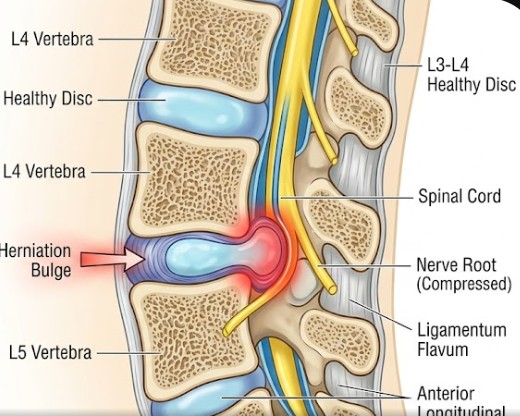
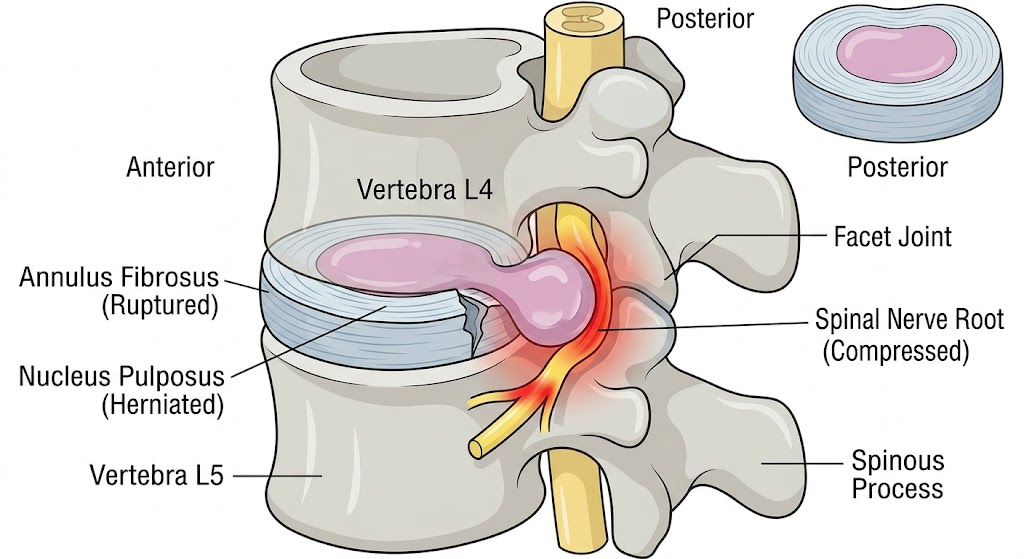
    A bulging disk, also known as a disk protrusion, occurs when one of your spine’s cushioning disks weakens and expands outward, similar to a hamburger that’s too big for its bun. While still contained within its outer layer, the disk’s soft center pushes against its exterior, potentially pressing on nearby nerves.

    In more detail, imagine your spine as a stack of building blocks (vertebrae), with specialized shock absorbers nestled between each block. These shock absorbers are your intervertebral discs, crucial for allowing you to bend, twist, and absorb the impact of daily activities. Each disc is a marvel of engineering, consisting of two key parts: a central, gel-like core called the nucleus pulposus, and a tough, fibrous outer ring known as the annulus fibrosus. Think of it like a jelly donut – the jelly in the middle is the nucleus, and the doughy part surrounding it is the annulus.

    What Happens Mechanically with a Disk Protrusion?

    Now, let’s delve into what happens in a disc protrusion, often referred to as a bulging disc. Over time, or due to specific injuries or repetitive strain, the annulus fibrosus can weaken or develop microscopic tears. When this happens, the nucleus pulposus, still contained within the weakened but intact outer layer, begins to press outwards. This outward pressure creates a bulge that extends beyond the normal circumference of the disc. It’s like the jelly in the donut pushing against the dough, causing it to swell outwards without actually breaking through.

    This bulging is a significant stage in the spectrum of disc issues. It’s important to distinguish it from a herniated disc (also called a ruptured or slipped disc). In a herniation, the annulus fibrosus actually tears, allowing the nucleus pulposus to escape and leak out of its normal confines. While both conditions can exert pressure on nearby structures, the mechanism and potential severity differ. A protrusion represents an outward deformation, whereas a herniation involves the actual displacement of the disc material.

    What is the Harm Caused by Disk Bulging (Disk Protrusion)?

    The clinical significance of a disc protrusion lies in its potential to impinge upon the delicate spinal nerves that exit the spinal canal near the intervertebral discs. These nerves are responsible for transmitting signals between your brain and the rest of your body, controlling sensation and movement in your limbs. When a bulging disc presses against one of these nerves, it can lead to a variety of symptoms.

    The most common symptom is pain, which can be localized in the back or neck, depending on the location of the affected disc. However, the pain can also radiate along the path of the compressed nerve. For instance, a bulging disc in the lower back can cause sciatica, a sharp, shooting pain that travels down the buttock and leg, sometimes reaching the foot. In addition to pain, nerve compression can also result in numbness, a loss of sensation in the affected limb, tingling, often described as a pins-and-needles sensation, and muscle weakness, making it difficult to perform certain movements. The specific symptoms experienced depend on which nerve is being compressed and the degree of compression.

    Fortunately, not all disc protrusions cause noticeable symptoms. Some individuals may have bulging discs that are discovered incidentally during imaging tests for other reasons and never cause any pain or discomfort. However, when symptoms do arise, a range of treatment options are available.

    Treatments for Disk Bulging (Disk Protrusion)

    Initially, conservative management is typically the first line of defense. This may involve a period of rest to reduce inflammation, physical therapy to strengthen supporting muscles and improve posture, and pain medication, such as over-the-counter or prescription non-steroidal anti-inflammatory drugs (NSAIDs) or muscle relaxants, to alleviate pain and inflammation. In some cases, epidural steroid injections may be administered to directly deliver anti-inflammatory medication to the affected area around the spinal nerves.

    If conservative treatments fail to provide adequate relief or if the symptoms are severe and significantly impacting the individual’s quality of life, more advanced treatments may be considered. These can include minimally invasive procedures or, in more complex cases, surgery to relieve the pressure on the affected nerve. The specific treatment approach is always tailored to the individual’s unique situation, considering the severity of their symptoms, the location and size of the protrusion, and their overall health.

    Commonly, in vehicle accident cases you will see a progression of treatment from gentle chiropractic manipulations, physical therapy, exercise and stretching to more invasive procedures. The more invasive procedures can include injections, radio frequency ablation and, as a last resort, surgery.

    About Michael Yates, D.C.

    Michael Yates is a chiropractor who now works as a personal injury paralegal. We retain Dr. Yates’ company to review your medical records to be certain that your disk injuries are properly documented and treated. Many personal injury firms use AI to scan records but we believe that in many instances you need not just a human review but a review by a live person (Yates) who understands the mechanics of the spine and spinal injuries.

    Call the Law Office of Daniel Horowitz for your accident case.

    (925) 283-1863

    THERE IS NO CHARGE FOR OUR INJURY CASE CONSULTATIONS AND NO FEE UNTIL YOU RECOVER MONEY

  • Untitled post 334

    Why a Local Contra Costa County Personal Injury Lawyer is Better for You Than a 1-800 Out of Town Law Firm

    When a major injury occurs, the massive “1-800” TV billboard firms look like an easy button. They have slick marketing and nationwide reach, but they handle cases on a massive assembly line.

    For personal injury claims, a local, specialized attorney has several distinct advantages that can dramatically affect the outcome of a case. The differences generally break down into three main categories:

    1. Deep Local Knowledge (The “Home Court” Advantage)

    Out-of-town settlement mills handle cases by the thousands across multiple states. They rarely know the specific nuances of a local jurisdiction, whereas a local firm brings distinct local advantages:

    • Jury Pool Dynamics: A local lawyer understands the demographics and specific tendencies of the local jury pool in your exact county. They know what arguments resonate with local residents and what might alienate them.
    • Judicial Familiarity: They know the local judges, their specific courtroom rules, and how they typically rule on key pre-trial motions (like motions to compel discovery or summary judgment motions).
    • Defense Counsel Relations: Local personal injury lawyers routinely go up against the same local insurance defense firms. Knowing the specific tendencies, strengths, and weaknesses of opposing counsel allows for much better strategic planning during depositions and settlement talks.

    2. Real Boots-on-the-Ground Investigation

    A 1-800 firm operates almost entirely via phone, portals, and email. They rarely, if ever, send an attorney or investigator to the physical scene. A local firm handles evidence gathering differently:

    • Scene Inspections: A local attorney can quickly drive out to a dangerous intersection, a commercial slip-and-fall site, or a construction scene to preserve evidence, take precise geometric measurements, and assess sightlines before conditions change.
    • Locating Witnesses: Finding and interviewing local witnesses is infinitely more effective in person than via a cold call from an out-of-state area code.
    • Local Expert Networks: Local firms maintain deep relationships with trusted regional experts—such as local accident reconstructionists, structural engineers, and vocational experts—who can easily testify live in a local courtroom without massive travel expenses.

    3. High-Value “Trial-Ready” Reputation vs. Settlement Mills

    The business model of a nationwide 1-800 firm relies on high-volume, rapid turnover. They need to settle cases quickly to fund their massive advertising budgets. Insurance companies know exactly who the “settlement mills” are.

    The Insurance Carrier’s Risk Assessment: Insurance companies track data on law firms. If they know a 1-800 firm historically never goes to trial and drops or refers cases out when litigation gets tough, the insurer has zero incentive to offer top dollar during negotiations. Daniel Horowitz has taught trial law at the law school level and has taken 200 cases to jury trial.

    Conversely, when a local firm with a proven trial record files suit, the insurance carrier knows they face a real risk of an expensive, unpredictable jury trial. This leverage routinely forces higher, fairer settlement offers before a jury is ever paneled.

    Direct Comparison

    Feature / CapabilityLocal Personal Injury Attorney1-800 “National” Law Firm
    Primary Business ModelHigh-attention, litigation-ready representationHigh-volume, rapid settlement processing
    Case HandlingHandled directly by an attorneyOften processed by case managers/paralegals
    Courtroom PresenceRegular appearance before local judgesRarely step foot in the local courthouse
    Medical NetworkDeep ties with local specialists & surgeonsGeneralized or non-existent local medical contacts
    Client InteractionIn-person strategy meetingsStrictly digital/telephonic communication

    Ultimately, while national firms rely on the power of a recognizable phone number, local personal injury lawyers rely on the power of local reputation, tailoring their litigation strategy to the exact jurisdiction where the injury occurred.

  • Top Ten Causes of Truck Accidents

    Top Ten Causes of Truck Accidents

    Contra Costa County lawyer Daniel Horowitz has recovered millions of dollars for people hurt by trucks that violated the law and caused an accident. We know the many violations that will help you recover top dollar for your injuries. Watch our video to learn more and remember, we are local lawyers with real people and our office in Lafayette, California. If you work with Daniel Horowitz your calls go directly to our office and not to some phone bank overseas or Los Angeles! Your consultation is free and there is no fee until you get money. Call us at (925) 283-1863.

  • Injured in a Contra Costa Motorcycle Crash? Know Your Legal Rights

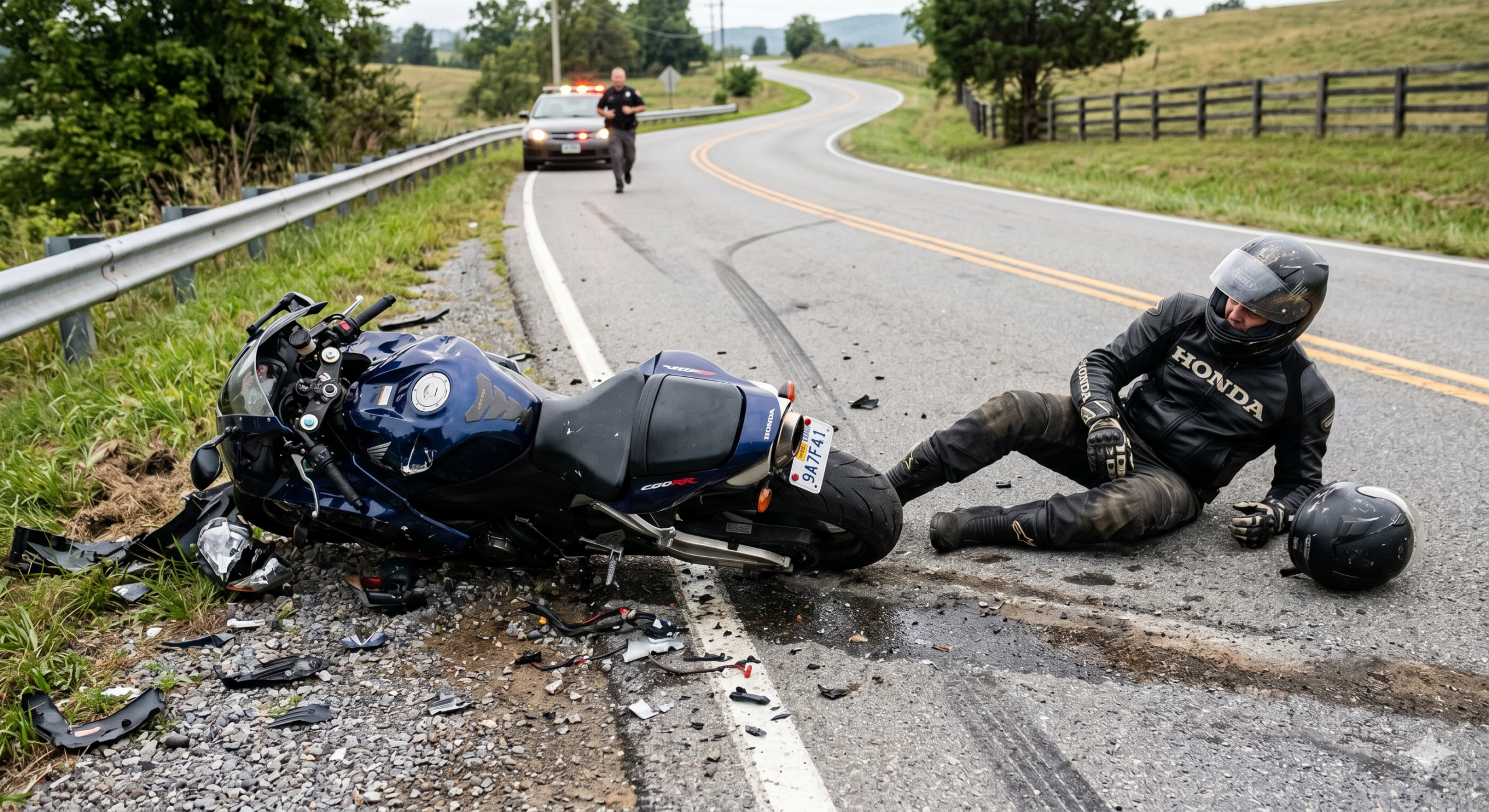
    If you are on your bike when a driver or truck does something stupid and causes a crash you may need legal help. The Horowitz office is located in Lafayette, California and we serve riders in all of Contra Costa County. It is free to meet with us and there are no fees charged until you collect on your case. Call us at (925) 283-1863.

  • What a Motorcycle Lawyer Does for You

    What a Motorcycle Lawyer Does for You

    Attorney Daniel Horowitz explains how a local lawyer (Horowitz is in Contra Costa County) is better for a personal injury case.

    This video shows a car vs motorcycle accident where Horowitz’ client recovered $ 4 Million dollars. Our basic argument is that advertising firms such as The Barnes Firm, Sweet James etc. can do an excellent job for their clients. However, a true local presence where the intake team, paralegals and your actual attorney see you face to face and work with each other daily (face to face) – means that your case gets more personal attention than when you are represented by a larger operation. Our office is truly in Lafayette, California and our legal staff lives in the Bay Area. Daniel Horowitz lives in Lafayette and is a member of the Lafayette Chamber of Commerce, donor to LPIE, member of the Crime Prevention Commission and board member for the Lafayette Police Foundation. We do not charge for a Personal Injury consultation. You can reach us at (925) 283-1863.

  • What a Local Car Accident Attorney Does

    What a Local Car Accident Attorney Does

    This video discusses the role of a Car Accident attorney and Daniel Horowitz explains why a local attorney (Contra Costa County) is better for clients than a remote 1-800 personal injury attorney. Our office provides free consultations for accident cases and there is never a legal fee until you recover. (925) 283-1863

  • What is Whiplash and Scientifically What Causes It?

    What is Whiplash and Scientifically What Causes It?

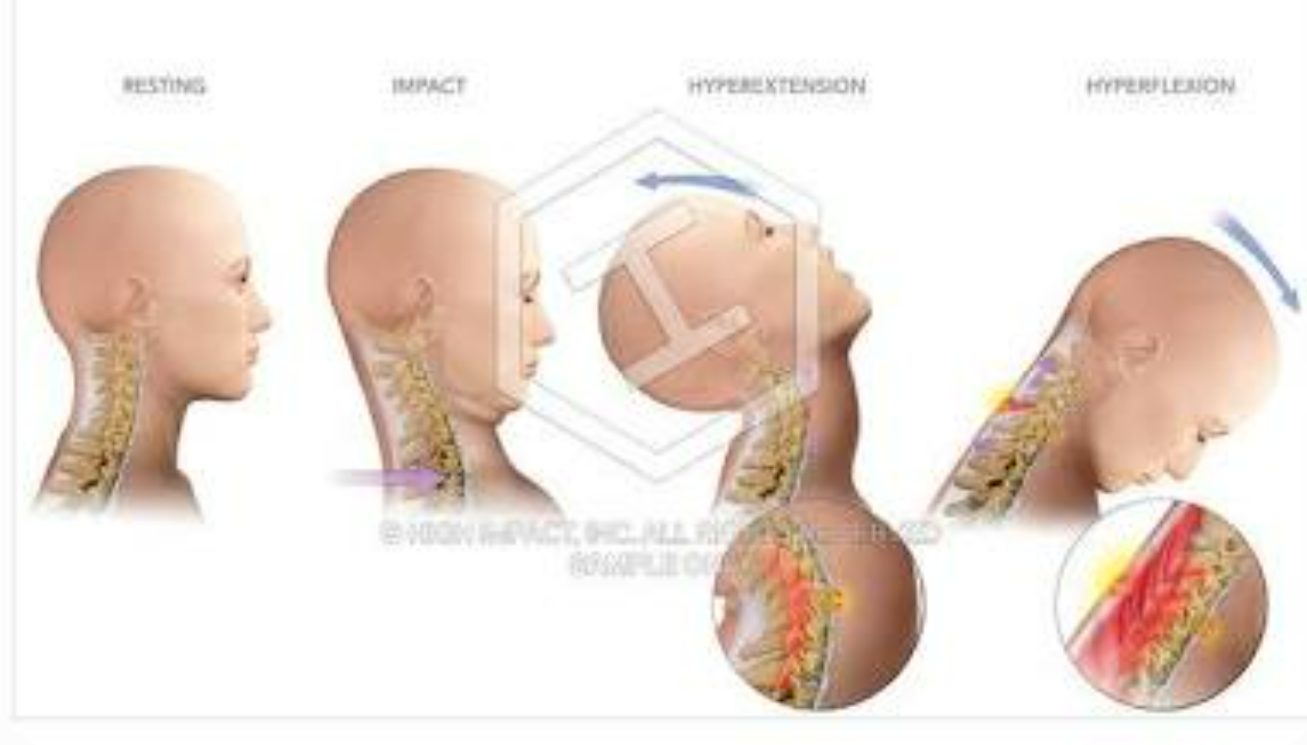
    Whiplash is a common neck injury often associated with sudden, forceful movements of the head and neck. Whiplash is also known as whiplash-associated disorder (WAD), occurs when the neck is subjected to a rapid back-and-forth motion, resembling the cracking of a whip.

    We recommend documenting neck and back injuries soon after the accident. There are many Urgent Care centers in Contra Costa County and they can x-ray you or at least document swelling and other signs that you may have suffered whiplash. If you don’t do this it will be your word against “theirs” as you claim to have suffered injuries in the accident. Our office knows that the other side seeks to minimize your injuries and if you missed the chance to go to the John Muir or Kaiser ER or an Urgent Care facility – we can work with that and establish other ways to prove your injuries. We are a local law firm with offices in Lafayette, Ca. We can help you with physician referrals if you need that. Meanwhile, this article helps explain why even a seemingly small impact can cause large injuries to your back and neck.

    This injury most commonly results from rear-end car accidents but can also stem from sports injuries, physical assaults, or amusement park rides. The sudden motion strains or tears the soft tissues of the neck, including muscles, ligaments, and tendons.  A 2019 study in The Spine Journal highlights that the rapid acceleration-deceleration forces can cause microtears in ligaments and muscles, leading to inflammation and pain. Additionally, the study notes that the cervical spine’s complex anatomy makes it particularly vulnerable to such injuries.

    Scientific research elaborates that whiplash can affect not only soft tissues but also cervical facet joints, intervertebral discs, and nerve roots.  This is important because the pain from the soft tissue injuries may lessen in a few months but the damage to disks, joints and nerves can get worse over months and years.  In personal injury law the best attorneys pay attention to whiplash and they look at the medical records and doctor consults to see whether this long term joint and disk damage has been identified and documented.

    Causes of Whiplash

    The Mayo Clinic identifies the primary cause of whiplash as any event that causes the head to jerk violently forward or backward. Common scenarios include:

    • Car accidents: Especially rear-end collisions, where the impact forces the head to snap forward and then backward.
    • Sports injuries: Contact sports like football, rugby, or martial arts can lead to whiplash.
    • Physical trauma: Falls, blows to the head, or assaults can trigger the injury.
    • Amusement park rides: High-speed rides with sudden stops or turns may cause neck strain.

    A 2016 study in Journal of Orthopaedics emphasizes that whiplash can occur in low-speed rear-end collisions, with speeds as low as 6.2–9.3 mph (10–15 km/h) sufficient to cause symptoms. The study notes that the risk is particularly high when the vehicle’s headrest is improperly positioned, as it fails to adequately restrain head movement. This underscores that even minor accidents can lead to significant neck injuries, especially if safety features are not optimized.

    Symptoms of Whiplash

    The Mayo Clinic lists several symptoms that typically appear within days of the injury, including:

    • Neck pain and stiffness
    • Worsening pain with neck movement
    • Loss of range of motion in the neck
    • Headaches, often starting at the base of the skull
    • Tenderness or pain in the shoulders, upper back, or arms
    • Tingling or numbness in the arms
    • Fatigue and dizziness

    Less common symptoms may include blurred vision, ringing in the ears (tinnitus), sleep disturbances, irritability, difficulty concentrating, memory problems, and depression. These symptoms can vary widely in intensity and duration.

    A 2021 article in Pain Medicine provides deeper insight, noting that whiplash can lead to chronic pain in 20-40% of cases, a condition known as chronic whiplash-associated disorder (CWAD). The study suggests that central sensitization—where the nervous system becomes hypersensitive to pain signals—may contribute to persistent symptoms. Additionally, psychological factors like stress or anxiety can exacerbate symptoms, creating a complex interplay between physical and mental health.

    Risk Factors and Complications

    The Mayo Clinic outlines risk factors for whiplash, such as involvement in high-speed collisions or participation in contact sports. Complications may include chronic neck pain, prolonged headaches, or, in rare cases, damage to the spinal cord or nerves.

    Research from The Lancet (2018) emphasizes that women are at higher risk of developing chronic symptoms due to anatomical differences, such as smaller neck muscles and less cervical spine stability. The study also highlights that early onset of severe pain or neurological symptoms (e.g., numbness) increases the likelihood of long-term complications.

    The Journal of Orthopaedics (2016) further notes that low-speed accidents can still pose significant risks, particularly for individuals with pre-existing neck conditions or poor posture, as these factors amplify the strain on cervical tissues during sudden movements.

    Diagnosis and Treatment

    While the Mayo Clinic’s webpage focuses on symptoms and causes, scientific literature provides more detail on diagnosis and treatment. Diagnosis typically involves a physical exam, medical history review, and imaging tests (e.g., X-rays, CT scans, or MRIs) to rule out fractures or other injuries. A 2022 study in Clinical Biomechanics underscores the importance of assessing cervical range of motion and muscle strength to gauge injury severity.

    Treatment often includes:

    • Pain management: Over-the-counter pain relievers, ice/heat therapy, or prescription medications for severe pain.
    • Physical therapy: Exercises to restore range of motion and strengthen neck muscles.
    • Rest and immobilization: Short-term use of a cervical collar may be recommended, though prolonged immobilization can delay recovery.
    • Lifestyle adjustments: Ergonomic changes and stress management can aid recovery.

    For chronic cases, a 2020 study in The Journal of Pain advocates multidisciplinary approaches, combining physical therapy, cognitive-behavioral therapy, and, in some cases, injections or nerve blocks to manage persistent pain.

    Prevention Tips

    Preventing whiplash involves minimizing exposure to high-risk activities and optimizing safety measures. The Mayo Clinic suggests using properly adjusted headrests in vehicles and wearing protective gear in sports. The Journal of Orthopaedics (2016) reinforces the importance of headrest positioning, noting that a headrest aligned with the top of the head and close to the skull (within 2 inches) can significantly reduce whiplash severity in low-speed collisions. Research from Accident Analysis & Prevention (2019) adds that advanced vehicle safety systems, such as automatic emergency braking and adaptive headrests, can further mitigate risks.  

    Anatomy is a factor as well.  People with strong necks and shorter necks fare better during an impact because there is less movement of the neck, less extension and less flexion as well.

    Conclusion

    Whiplash is a multifaceted injury with a wide range of causes, symptoms, and outcomes. While the Mayo Clinic provides a solid foundation for understanding the condition, scientific research, including studies on low-speed collisions, reveals its complexity. Even minor accidents can cause significant injury, particularly when safety features like headrests are not properly adjusted. Early intervention, proper diagnosis, and tailored treatment are crucial for recovery, while preventive measures can reduce the risk of injury. By combining insights from clinical sources and research, we gain a fuller picture of whiplash and its impact on health.

    From a personal injury case standpoint documenting whiplash can be the difference between a settlement offer that is unfairly low and a settlement that is fair and appropriate. It is important to remember that whiplash symptoms can be mild for years but get worse over time. The damage in many cases heals 100% but in cases where there is residual injury time and normal aging can make the symptoms worse. We are a local law firm and your interactions with are staff are personal. We use this relationship to work with you to document the (often) subtle changes that whiplash can cause and we work with you and your chiropractor or doctor to document these changes. In the past we had issues with Kaiser because they tended to minimize accident injuries for reasons that we considered economic [less treatment needed if they minimize the injury]. We work with the Kaiser system to ensure that they are reimbursed for the care they provide – not from your pocket but by getting an accident settlement that is large enough to compensate Kaiser, you and your lawyers. Win, Win, Win. In any case, personal attention and documentation of whiplash injuries is a team effort and important to ensure that you receive a full and fair settlement in your accident case.

    References

    • Mayo Clinic. (n.d.). Whiplash: Symptoms & Causes. Retrieved from https://www.mayoclinic.org/diseases-conditions/whiplash/symptoms-causes/syc-20378921
    • Veronese, N., et al. (2016). Minimum jerk model and headrest positioning in whiplash. Journal of Orthopaedics, 13(4), 401–405. https://doi.org/10.1007/s10195-016-0431-x
    • The Spine Journal. (2019). Biomechanics of Whiplash Injuries.
    • Pain Medicine. (2021). Chronic Whiplash-Associated Disorders and Central Sensitization.
    • The Lancet. (2018). Risk Factors for Chronic Whiplash Symptoms.
    • Clinical Biomechanics. (2022). Diagnostic Approaches to Cervical Spine Injuries.
    • The Journal of Pain. (2020). Multidisciplinary Treatment for Chronic Whiplash.
    • Accident Analysis & Prevention. (2019). Vehicle Safety Systems and Whiplash Prevention.
  • How a car accident causes a herniated disk

    How a car accident causes a herniated disk

    Yes, a car accident can cause a herniated disc due to the sudden, high-impact force exerted on the spine during a collision. These accidents, particularly rear-end or high-speed crashes, often result in whiplash or blunt force trauma that causes the spinal discs—the rubbery cushions between vertebrae—to compress, tear, or bulge. This can lead to the inner jelly-like core leaking out and irritating nearby nerves, causing symptoms like localized back pain, numbness, or radiating pain in the arms and legs (sciatica)

    John Muir Health’s ER is located in Walnut Creek and after any serious car accident we recommend being seen at the ER or at one of the numerous Urgent Care facilities in Walnut Creek or San Ramon (excellent quality). You are in shock after an accident and it is important to document (identify) your injuries so that you can be properly treated and so that we can get you the full value of your case.

    In the aftermath of a motor vehicle collision, victims frequently report radiating pain, numbness, and diminished motor function. While insurance carriers often attempt to characterize these symptoms as manifestations of degenerative “wear and tear,” the mechanical forces involved in a collision are statistically and medically significant enough to cause acute intervertebral disc herniation.

    One problem that arises from a legal standpoint is that the insurance companies almost always claim that because of your age, your job or prior accidents that the disk herniation already existed. There are many so-called experts who will give the opinion that mechanically the accident you were in cannot cause the herniation that now exists. The counters to these challenges vary. If we are lucky there was a recent x-ray / MRI that shows your disk area (even if it was an x-ray/CAT scan not meant to target that area but which coincidentally captured that area. In addition, proof that you had no symptoms or less symptoms in the nerve path related to the disc in question is indirect proof that some movement of the disc took place in the accident. If you had a 3 mm herniation that is now 3.5 mm’s that could be the difference between no symptoms and tingling down the leg. If that is proven you can recover for the exacerbation of a pre-existing condition. In general the scientific attack where an expert claims that the force in the accident was insufficient to cause the injury can be successfully attacked. Daniel Horowitz is particularly good at taking apart scientific evidence that is misused and misapplied. As a true courtroom trial attorney Daniel has cross examined literally hundreds of experts in high pressure situations. His basic technique is to find what is true – his client really has had an increase in back pain. He then finds the real cause (e.g. a disc has moved causing intermittent pressure on the nerve). He then uses simple logic to tear apart a medical opinion that ignores the genuine reasons and substitutes an insurance company invented reason. Daniel applies the basic mechanics and science of the injury to drive the questions in the proper direction. This blog shares some of the core facts that Daniel uses in his examinations.

    Understanding the intersection of biomechanics and personal injury law is essential for any claimant seeking equitable compensation for spinal trauma.


    The Biomechanics of Impact and Spinal Injury

    A car accident—particularly rear-end and high-velocity lateral impacts—subjects the spinal column to extreme acceleration-deceleration forces. During these events, the spine undergoes rapid compression and shearing.

    Shutterstock

    The intervertebral disc consists of a tough outer layer, the annulus fibrosus, and a gelatinous core, the nucleus pulposus. When the force of an impact exceeds the structural integrity of the annulus, the nucleus may protrude into the spinal canal. This “herniation” often results in the following:

    Nerve Root Compression: The displaced disc material exerts pressure on adjacent spinal nerves (radiculopathy).

    Chemical Inflammation: The internal proteins of the disc can cause severe inflammation when exposed to the nervous system.

    Thecal Sac Effacement: In severe cases, the herniation may compress the spinal cord itself, leading to significant neurological deficits.

    Establishing Medical Causation

    From a litigation perspective, the primary challenge lies in proving proximate cause (now called Legal Cause). Defense counsel will frequently utilize “independent” medical examinations to argue that the herniation was a pre-existing, asymptomatic condition.

    To rebut these assertions, legal strategy must focus on a “differential diagnosis” and a clear timeline of clinical evidence:

    1. Diagnostic Imaging: Immediate or near-immediate MRI (Magnetic Resonance Imaging) to identify the morphology of the herniation.
    2. Symptomatic Correlation: Documenting the onset of radicular pain (sciatica) or paresthesia that aligns with the specific level of the spinal injury (e.g., L4-L5 or C5-C6).
    3. The “Eggshell Skull” Doctrine: Legally, even if a plaintiff had a pre-existing weakness, a defendant is liable for the aggravation or exacerbation of that condition caused by their negligence.

    Recoverable Damages in Spinal Injury Litigation

    A herniated disc is rarely a transient injury. The long-term implications often necessitate substantial compensatory damages, including:

    Damage CategoryExamples
    Special DamagesEmergency room costs, spinal injections, discectomy/fusion surgery, and physical therapy.
    Lost WagesImmediate time missed from work and diminished future earning capacity.
    General Damages
    Chronic pain, loss of consortium, and loss of enjoyment of life but much more than that.  Do you have a condition that will get worse in time?  Will your back injury lead to neck or hip problems.  Top personal injury lawyers identify all long term effects from your accident.

    Conclusion

    The correlation between vehicular trauma and spinal pathology is well-established in both clinical literature and tort law. However, securing a recovery requires meticulous documentation and an aggressive approach to medical evidence.  A top lawyer is necessary to document your injuries and to obtain the best possible settlement fo your claim.

    The Horowitz law firm has recovered millions of dollars for our clients in accident cases.  We are truly local and our staff is local. Our office is located in Lafayette just across the street from Trader Joe’s. Call us for help at (925) 283-1863

  • Walnut Creek Car Accidents

    Walnut Creek Car Accidents

    What Happens with a Car Accident in Walnut Creek, Ca.

    The calls from the insurance company usually start before your car is even out of the Walnut Creek tow yard. You might still be sore from the crash on I-680 or Treat Boulevard, wondering how bad your injuries are and how you will get to work, when an adjuster asks for “a quick statement” to keep things moving. It feels like you have to cooperate or you might lose your chance for help. In those first days, you are being pulled in a dozen directions at once. John Muir Medical Center or another nearby facility may have given you a stack of discharge papers, the body shop needs authorization to start repairs, and your phone keeps lighting up with unfamiliar numbers from insurance companies. You know this collision was not your fault, but you are not sure what to say, who to trust, or how these early choices will affect any settlement.

    I have tried more than 200 jury trials across California, and I see the same insurance patterns play out again and again in Walnut Creek collisions. Insurers know exactly how to protect their bottom line, and they recognize which lawyers are prepared to take a case all the way to a verdict if they are unreasonable. In this guide, I will walk you through how insurance claims really work after a Walnut Creek crash and what you can do right now to protect yourself.

    Working with the Police Officer

    Honest drivers can be at the mercy of a poorly written police report.  We had a case in Walnut Creek, Ca where our client exited the freeway coming from Orinda to Walnut Creek.  If you know that exit it has you turn right into several lanes.  Another driver had taken the exit and by mistake was in the far left lane.  That far left lane is a left turn only and is controlled by a solid white line saying don’t change lanes unless safe.  Our client was one lane to the right of the other driver going the speed limit.  Suddenly the driver in the left turn lane (who wanted to go straight) realized her mistake and shot into our client’s lane hitting the side of our car.   Our client pulled off to the side and nursed a concussion.  Police arrived and the at fault driver did not point out our client on the side of the road – injured.  Instead she reported a “hit and run”.  Other people pointed out our client on the side of the road but the police report was very unclear as to who was or was not at fault.  This forced us to file a lawsuit to prove our client was right.  Bottom line, whether it’s Walnut Creek or anywhere, make sure you clearly state your side of the story to the police officer.  Don’t be nice – be strong and 100% accurate. 

    If the other side is lying make sure you disagree and tell the officer what really happened. Remember that in California, knowingly filing a false police report is a crime under Penal Code 148.5.  If someone lies to the police about an accident – it is a crime and YOU are the crime victim.  Again, don’t be nice – be firm, clear and 100% accurate.

    IMPORTANT: If you are a witness to an accident you can send a tip to the Lafayette Police Department. Here is the Tip email address: 94549Tip@gmail.com Walnut Creek PD have a general e-mail address: PDcontactus@walnut-creek.org; Moraga Police can be contacted using police@moraga.ca.us; and Orinda PD can be reached at contactpd@cityoforinda.org.

    Find Witnesses

    I personally was struck on the side on highway 680S near Dublin.  The other driver claimed I pulled into him (a lie).  My car spun 2-3 times and I was shocked when the police arrived and told me his lie.  A minute later the officer came up to me and said, “No worries, we just got a call from a witness who confirmed what you told us”.   I got lucky but in many instances there is no volunteer witness.  Ask people for their cell numbers and don’t be shy about it.  That can be the difference between an insurance company claiming 50-50 liability (reducing your compensation) vs a complete win.)

    Cameras

    You or your lawyer can ask the Walnut Creek PD for footage from video cameras that the police have in place to surveil for crimes.  WCPD also has a registry for homes and apartments that have video cameras.  (This is a voluntary registration).  You can attempt to have WCPD contact people on that list whose home cameras may have picked up footage of the accident.

    If you want Body Worn Camera footage from the Walnut Creek Police ask quickly.  Like most departments, WCPD will keep that footage only  60–90 days unless there are circumstances such as an arrest that warrant maintaining the footage for a longer period.  In all cases a public records act request can get you the footage but the Contra Costa County District Attorney or the PD will often object to producing information arising out of an “ongoing investigation”.

    If You are Injured

    Kaiser patients will usually be transported by ambulance to the Walnut Creek Kaiser hospital.  The ambulance has discretion to choose the facility best suited for the patient’s injuries and the most common location for an ambulance is John Muir Health’s ER in Walnut Creek. (1601 Ygnacio Valley Road)  If you do wait to see your own doctor do not wait to long.  You may have injuries that are more easily diagnosed close in time to the accident.  If the ER wait is daunting, there are several excellent Urgent Care Centers in the area.

    Camera Footage

    Many cars especially a Tesla have built in cameras.  Pull the jump drive after the accident so it doesn’t accidentally get erased.  Also, in a neighborhood accident we can knock on doors and hopefully get RING camera footage of an accident.   We had a case years ago with RING footage not of an accident but shooting off of High Street in Oakland.  Even though people criticize the acuity of these cameras, we were able to see smoke on the side of a roof where a bullet hit.  For a simple car accident a RING camera has more resolution than you need.

    Contact Walnut Creek Police

    Obviously calling 911 will get the police dispatched to the scene.  If you need to reach the Walnut Creek PD for non-emergency purposes. The address is 1666 N. Main St., Walnut Creek, CA 94596. The department states that it IS accessible for in-person reports, and the main non-emergency phone number is (925) 943-5844.  The Walnut Creek police online car accident webpage is here.

    If you want a copy of a car accident report Walnut Creek PD have posted (925) 943-5890 as the number to call to request a report.  You can also fill out an electronic record request form  Here   You can hand deliver the request form to Walnut Creek City Hall 
    1st Floor of City Hall
    1666 North Main Street
    Walnut Creek, CA 94596

    (Only Monday – Thursday)

    What Happens In The First Days After A Walnut Creek Collision

    Right after a collision, most people think first about their car and their pain, not about how insurers set up a claim file. On a typical Walnut Creek crash, police may respond and prepare a report, or they may leave the parties to exchange information if no one seems seriously injured. You might be taken to John Muir Medical Center, an urgent care, or your primary doctor, then the car is towed to a local yard or body shop. Within a day or two, at most, the phone calls begin.

    Your own insurer often makes the first outreach if you report the collision, which is called the first notice of loss. They create a claim number, assign an adjuster, and start a file that includes your policy, coverage limits, and whatever you tell them about how the collision happened. The other driver’s insurer usually follows close behind once their insured reports the crash, and they will quickly want your version of events, details about injuries, and any photos or witness information you have.  Insurance companies negotiate liability among themselves and if your insurance company is weak they may agree to 50-50 liability. When you make a settlement demand the other person’s insurance will make a low ball offer based upon the already determined 50-50 liability.  This means you should advocate strongly for yourself with your own insurance carrier because it impacts the later offers on your case from the other side.

    From a legal standpoint, those early conversations matter more than most people realize. Adjusters write notes about your demeanor, how confident you are about fault, whether you downplay injuries, and whether there is any hint that you might share in the blame. Those notes live in the claim file for the life of your case, and supervisors may later rely on them when deciding how much settlement authority to give that adjuster. I have reviewed many claim files over the years, and I can tell you that a casual remark on day two can be quoted back months later when an insurer justifies a low offer.

    In those first days, focus on a few key decisions. You can report basic facts to your own insurer so they can open your claim, but be cautious about recorded statements or detailed discussions of injuries before you have seen doctors and understand what is going on. Gather photos from the scene, names and numbers of witnesses, and any incident or police report numbers. Before you agree to a recorded statement for the other driver’s insurer or sign any documents, talk to a trial lawyer who understands how these details will look inside a claim file and, if needed, a courtroom.

    Understanding California Fault Rules And How Insurers Use Them

    Most drivers assume that if the other car clearly caused the collision, the insurer will accept full responsibility. In California, fault is rarely that simple once carriers get involved. California follows a system called pure comparative negligence, which means a jury, or an adjuster estimating what a jury would do, can assign each driver a percentage of fault. Your recovery is reduced by your percentage, even if the other driver was mostly to blame.

    Consider a rear-end collision on I-680 near Walnut Creek. You are stopped in traffic, and a driver looking at their phone slams into you. Many people believe that the rear driver is always fully at fault. Insurers, however, may search for any angle to assign part of the blame to you. They might argue you stopped too suddenly, that your brake lights were not working properly, or that you were already creeping into the lane beside you. Even if those arguments are weak, they might claim you are, for example, 20 percent at fault.

    Here is how that plays out in dollars. If your total damages, including medical bills, lost wages, and pain and suffering, are reasonably valued at $100,000, and an adjuster convinces a jury or uses their internal model to assign you 20 percent fault, your maximum recovery becomes $80,000. Insurers know that even lowering your fault share by 10 or 15 percent can save them significant money across many claims. This is why they are so interested in tiny details from your early statements and the police report.

    In left turn crashes on streets like Ygnacio Valley Road or Treat Boulevard, comparative negligence arguments can be even more aggressive. An oncoming driver who was speeding or distracted might hit a turning vehicle, but the turning driver may still be accused of misjudging the gap. I have stood in courtrooms where juries had to divide fault in exactly these situations, and insurers frame their negotiations with that in mind. When I handle an insurance claim, I evaluate fault from the start as if a jury will one day see the evidence, which lets me anticipate and push back on the insurer’s attempts to inflate your share of blame.

    How Insurers Evaluate Your Injuries And Medical Treatment

    Once liability is in play, insurers turn to the second major lever they can pull, the value of your injuries. They do not just add up your bills and write a check. Instead, they study your medical records, treatment timeline, and history, looking for ways to argue your injuries are minor, preexisting, or resolved quickly. Many people in Walnut Creek are surprised at how much attention adjusters and their internal systems pay to details in medical charts.

    Gaps in treatment are a favorite tool for insurers. If you wait a week or two after the collision before seeing a doctor because you hoped the pain would go away, that gap becomes a talking point. The adjuster might say that if you were really hurt, you would have gone in sooner. The same is true for missed appointments or long breaks between sessions of physical therapy or chiropractic care. On paper, it can look like your symptoms improved or that you were not motivated to get better, even if life obligations got in the way.

    Insurers also pay close attention to phrases like “degenerative changes” or “preexisting condition” in imaging studies and medical notes. Many adults have some level of age related wear and tear on their spine or joints, visible on MRI or X-ray, even if they had no pain before a crash. Adjusters often seize on this, arguing that your pain is due to old problems rather than the Walnut Creek collision. From the insurer’s perspective, every inch they can move your injuries into the preexisting category is money saved.

    There is another layer to this. Insurers often use internal software and guidelines to put your case into a settlement range. These programs look at diagnosis codes, procedure codes, treatment duration, and other factors. They are not perfect, and they are not the law, but many adjusters are required to work within those ranges. What goes into your records, and how your treating doctors describe your injuries and progress, can push that computer generated range up or down.

    At {Sub:BusinessName}, my team includes a medical doctor and a chiropractor, and their perspectives are valuable when reading records and imaging. We work to separate ordinary background findings from trauma related changes and to coordinate with your treating providers so your records accurately reflect what you are experiencing. This is not about asking anyone to exaggerate. It is about making sure the real impact on your body and your life shows up on paper in a way that insurers, and if necessary juries, can understand.

    The Most Dangerous Requests From Insurance Adjusters

    On the surface, most requests from insurance adjusters sound routine and even helpful. They may say they just need some information so they can get your claim processed or want to understand what happened in your own words. Buried in those friendly calls and forms, however, are some of the most dangerous traps in the claims process. Recognizing them early can save you from serious damage to your Walnut Creek claim.

    Recorded statements are one of the biggest hazards. Adjusters often call within a day or two of the collision and ask to record a conversation so they do not miss anything. During that call, they may ask questions such as whether you were watching the road the entire time, whether it is possible you were going a little fast, or whether you felt pain right away. In the moment, you might try to be honest and reasonable, even speculate about what you think happened. Months later, when your lawyer is arguing for a fair settlement, those exact words can be read back as evidence that you admitted partial fault or said you were not hurt at first.

    Another common request is for you to sign broad medical authorizations. These forms often give the insurer the right to pull records from years before the collision, including unrelated conditions. They are hunting for prior complaints of back pain, neck stiffness, or any similar symptom that they can blame instead of the Walnut Creek crash. Clients are often surprised to learn that adjusters have combed through old files and then used a single line in a record from years earlier to argue down the value of the current claim.

    Quick settlement offers sound tempting, especially if you are missing work or staring at hospital bills. An insurer might offer a check within days or weeks, before you have completed treatment, in exchange for signing a release. That release almost always closes your claim forever. If you later learn that you need more invasive treatment, such as injections or surgery, or that your symptoms will last far longer than expected, you cannot go back and reopen the case. I have seen people sign away their rights for a fraction of what their injuries were truly worth, simply because no one explained what the release really meant.

    When I review claims for clients, I look carefully at every request from insurers. I often limit or refuse recorded statements and, if we agree to provide information, I prepare clients so their answers are complete and accurate without speculation that can be twisted later. I also narrow medical authorizations or gather the records myself, so I know exactly what is being sent and how it fits into the overall story of your injury. Before you sign or agree to anything that feels rushed or unclear, get a legal review. Those documents are written to protect the insurer, not you.

    Types Of Insurance Coverage That Can Affect Your Walnut Creek Claim

    Many people only think about the other driver’s insurance after a collision. In reality, several different types of coverage can come into play, and your own policy may be more important than you realize. Understanding the basics of these coverages helps you see what money might be available and how claims fit together.

    Most auto policies include bodily injury liability coverage and property damage coverage. Bodily injury liability pays claims when the policyholder injures someone else, up to the limits purchased. Property damage pays for damage the policyholder causes to someone else’s car or other property. In California, some drivers carry only low limits, which can be quickly exhausted by a serious injury case. This is why it is not enough to know that the other driver has insurance. You need to know the actual dollar limits.

    Your own policy may also include medical payments coverage, often called med-pay. Med-pay can help pay medical bills for you and your passengers, regardless of who was at fault, up to a set limit. In many Walnut Creek area policies, that might be a few thousand dollars, though some have higher limits. Using med-pay can relieve immediate financial pressure, but depending on the policy, your insurer might later have a right to be reimbursed out of any settlement from the at-fault driver. That is a detail we sort out by reviewing your policy language instead of guessing.

    Uninsured motorist and underinsured motorist coverage become crucial when the at-fault driver has no insurance or low limits. For example, if the other driver carries a $15,000 bodily injury limit and your damages are much higher, your own underinsured motorist coverage may step in after the at-fault limits are paid. These claims have their own rules and often require clear documentation that the other driver’s coverage is exhausted before your insurer becomes responsible for more. Many people never realize that their own coverage could provide additional compensation until we review their declarations page together.

    I routinely examine policy declarations and endorsements for clients after Walnut Creek collisions, looking for every available source of recovery. Sometimes there is coverage through multiple policies, such as an employer’s policy if the at-fault driver was on the job, or through your own higher uninsured or underinsured motorist limits. Sorting out how these coverages interact can be the difference between an inadequate settlement and one that more closely reflects your real losses.

    What A Realistic Insurance Claim Timeline Looks Like

    Insurance companies often say they will get this resolved quickly, but their idea of quick rarely matches your need to pay bills and move on with your life. Understanding a realistic timeline helps you avoid frustration and recognize when delays are normal versus strategic. While every case is different, most Walnut Creek auto claims follow a similar path.

    The first phase is claim opening and initial investigation. This usually takes a few weeks. During this time, adjusters gather statements, review the police report, inspect vehicle damage, and may request basic medical records. If liability is relatively clear, they might accept responsibility for property damage early, but hold off on fully evaluating your injury claim until more information is available.

    The second phase, which often stretches over several months, is the medical treatment and documentation period. You are seeing doctors, physical therapists, chiropractors, or specialists, and your condition is changing. From a claim perspective, it rarely makes sense to settle before your treating providers have a reasonable sense of your prognosis. In more serious injury cases, it can take time to reach a point called maximum medical improvement, the stage where your doctors do not expect major further change in your condition.

    Once treatment stabilizes, my office typically prepares a detailed demand package. This includes medical records and bills, proof of lost income, photos, and a narrative explanation of how the collision has affected your life. Insurers then take time to review and often respond with an initial offer. Negotiations can involve several rounds of counteroffers and clarifications. This negotiation phase might take weeks or sometimes a few months, depending on the complexity of the injuries and the insurer’s internal processes.

    California generally has a two year statute of limitations for many personal injury claims, measured from the date of the collision. If a government entity is involved, shorter claim deadlines can apply. If an insurer will not make a fair offer within that window, the next step is filing a lawsuit to preserve your rights. I plan from the very beginning with this deadline in mind, so we are never bargaining from a position of desperation as time runs out. Sometimes the act of filing, and showing we are prepared to present the case to a jury, changes the negotiation dynamic. Other times, it means we proceed toward trial with a clear understanding of the insurer’s position.

    How Having A Trial Lawyer Changes Insurance Negotiations

    Insurance carriers track lawyers. They know from experience which attorneys negotiate until the last possible day, then settle cheaply because they are not comfortable in a courtroom, and which ones will put a case in front of a jury if that is what it takes. This history matters when an adjuster and their supervisors decide how much to offer on your Walnut Creek collision claim.

    When an insurer sees my name on a claim, they are dealing with someone who has handled more than 200 jury trials and has been recognized among the Top 100 Trial Lawyers. That does not guarantee a particular outcome, but it

    From my side, I build every significant claim as if a jury might eventually review it. That means I work to preserve evidence early, such as photos, vehicle data, and witness statements, instead of assuming those details will always be available later. It means I look at your medical records not just as a stack of bills, but as the foundation for explaining, in human terms, what this collision did to your daily life, career, and family.

    When I evaluate settlement offers, I am not guessing. Years of watching jurors in California courts weigh similar injuries and fact patterns guide my sense of what is reasonable, what is risky, and when it makes sense to push harder or to resolve the case. If an insurer is undervaluing your claim based on cookie cutter software, we can point to specific facts, medical opinions, and liability strengths that a jury is likely to find compelling.

    Typical injuries can include whiplash or concussion.

    This trial focused approach often changes negotiations long before a lawsuit is filed. Adjusters recognize when a claim has been documented thoroughly and framed for possible trial, and they understand that vague threats to see you in court are different from a real plan to try a case. That difference can move their offers closer to the true value of your injuries.

    Steps You Can Take Today To Protect Your Walnut Creek Insurance Claim

    Even if the collision is fresh and you feel overwhelmed, there are concrete steps you can take today to strengthen your claim. These actions give you more control and make it easier for any lawyer you choose to step in and help. Small decisions now can prevent big problems later.

    Start by collecting and organizing information. Save photos of the scene, your vehicle, and your injuries. Write down the names and contact information of witnesses while you still remember them. Obtain the incident or police report number from Walnut Creek police or the California Highway Patrol if they responded. Keep all medical paperwork, prescriptions, and billing statements together in a folder or digital file.

    Set boundaries with insurers. You can confirm basic facts, such as your name, contact information, and the date and location of the collision, but you are not required to give a recorded statement to the other driver’s insurer. You do not have to sign broad medical authorizations without understanding what they cover. A simple, firm response such as, “I am still getting medical care and will have my attorney contact you,” is often enough to pause aggressive questioning.

    Finally, consider having your situation reviewed by a trial lawyer sooner rather than later. A brief conversation can clarify what coverage might be available, whether the insurer’s requests are reasonable, and what timeline you should expect. At {Sub:BusinessName}, I do not treat people as claim numbers. I look at the specific facts of your collision, your injuries, and your life. If your case is not a good match for my firm, I will still try to point you in the right direction so you are not left guessing.

    For more general information about car accidents in Walnut Creek see our Blog

    Talk With A Trial Lawyer Before You Make A Costly Claim Decision

    Insurance claims after a Walnut Creek collision are not just paperwork. They are a series of strategic choices about fault, medical care, documentation, and timing, and insurers are playing by rules they know far better than most injured drivers. Once you give a recorded statement, sign a release, or let a deadline pass, it is very hard, and sometimes impossible, to undo the damage.

    You do not have to navigate this alone or hope that an adjuster will put your needs ahead of their company’s financial goals. If you have been in a collision in or around Walnut Creek, I invite you to contact me so we can walk through your claim, your coverage, and your options before you make any final decisions. A focused conversation now can protect your rights and give you a clear plan for the road ahead.

    If you are in Walnut Creek, California and have been in a car accident, our offices are truly local (Lafayette). We can meet you face to face, respond personally to your needs and get you the full and fair value that you case deserves. Call us at (925) 283-1863. All personal injury consultations are free and there are no legal fees until you recovery.